
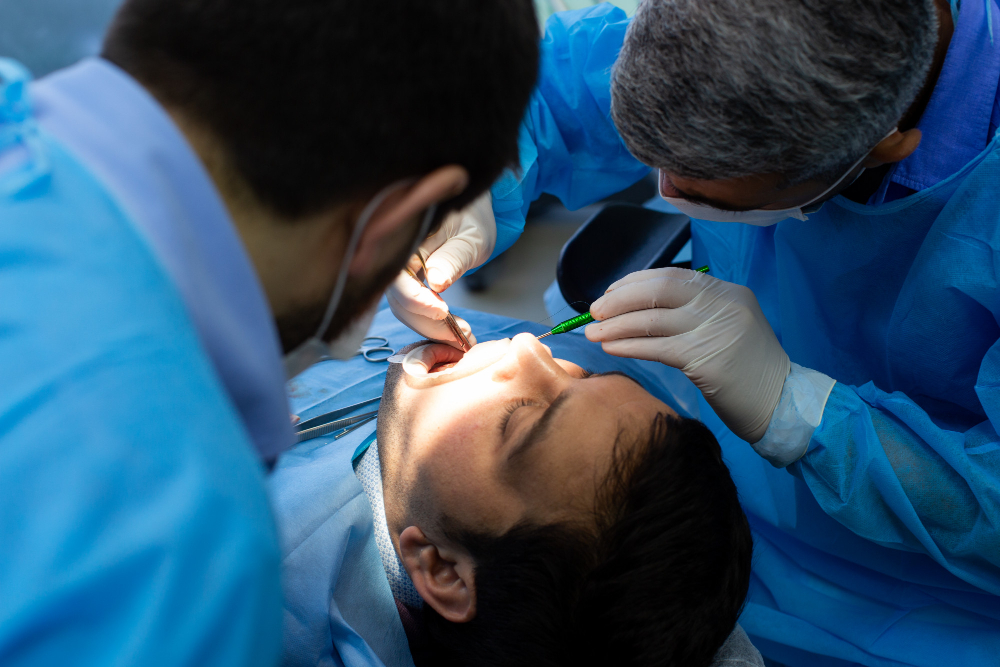
Wisdom tooth extraction is a common dental procedure. Many people need this treatment in their late teens or early twenties. The wisdom tooth removal procedure helps prevent pain, infection, and crowding. If you are facing wisdom tooth extraction, you may wonder what to expect. This blog explains the process, wisdom tooth extraction recovery, and aftercare tips for wisdom teeth. You will also learn how to keep your mouth healthy after the procedure.
What Is Wisdom Tooth Extraction?
Wisdom tooth extraction means removing one or more of your third molars. These teeth are at the back of your mouth. Dentists often remove them because they can cause problems. Sometimes, wisdom teeth do not have enough space to grow. This can lead to pain or infection. The procedure is usually done by a dentist or oral surgeon. According to the American Dental Association, wisdom tooth extraction is safe and effective.
Symptoms Indicating the Need for Wisdom Tooth Extraction
Some signs show you may need your wisdom teeth removed. If you notice any of these, you should see your dentist:
Causes for Wisdom Tooth Extraction
There are several reasons why dentists recommend wisdom tooth extraction. Often, these teeth cause problems because they do not have enough room to grow. Here are common causes:
Diagnosis and Consultation
First, your dentist will check your mouth and take X-rays. These images show the position of your wisdom teeth. Next, your dentist will ask about your symptoms. If you have pain, swelling, or infection, they may suggest removal. Sometimes, dentists recommend extraction even if you have no symptoms. This is to prevent future problems. The dentist will explain the risks and benefits before the procedure.
The Extraction Procedure: Step-by-Step
Knowing what happens during wisdom tooth extraction can help you feel calm. Here is a simple step-by-step guide:
The whole process usually takes less than an hour. Most people can go home the same day.
Recovery and Aftercare Tips
After wisdom tooth extraction, proper care helps you heal faster. Here are some helpful aftercare tips for wisdom teeth:
Most people recover in a few days. However, some swelling or mild pain can last up to a week. If you have severe pain or bleeding, contact your dentist right away. (Source: American Dental Association)
Potential Risks and Complications
Wisdom tooth extraction is safe, but some risks exist. Knowing these can help you watch for problems:
If you notice any unusual symptoms, call your dentist. Early treatment can prevent serious problems. (Source: CDC)
Prevention and Oral Health Maintenance
While you cannot always prevent wisdom tooth problems, good oral care helps. Here are some tips to keep your mouth healthy:
Early dental visits help spot wisdom tooth issues before they cause trouble. (Source: American Dental Association)
Consult a dental specialist for personalized advice on wisdom tooth extraction.