
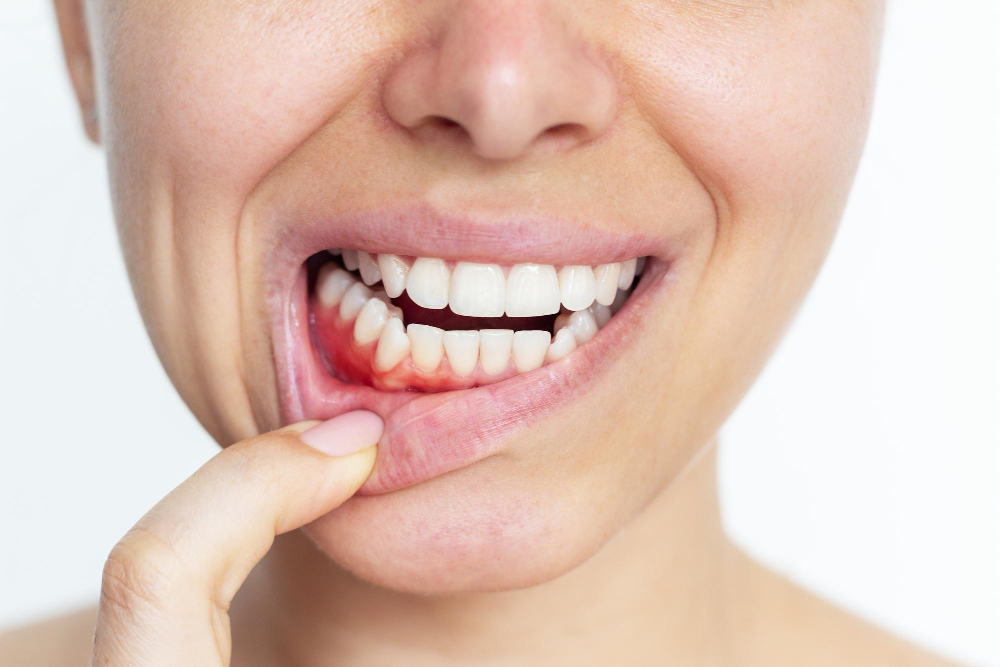
Introduction to Periodontal Diseases (Gum Diseases)
Periodontal diseases, also called gum diseases, affect the tissues that support your teeth. These tissues include your gums and the bone around your teeth. In many cases, gum diseases start with mild swelling or redness. However, if left untreated, they can lead to tooth loss. According to the CDC, almost half of adults over 30 have some form of periodontal disease. Because gum health is important for your overall health, learning about periodontal diseases can help you take action early.
Common Symptoms
Recognizing gum disease symptoms early can help prevent serious problems. Although symptoms may be mild at first, they can get worse over time. Look out for these signs:
Sometimes, you may not notice any symptoms. For this reason, regular dental check-ups are important.
Main Causes and Risk Factors
Gum diseases are mainly caused by plaque, a sticky film of bacteria on your teeth. If plaque is not removed, it can harden into tartar. This can lead to gum infection. However, several risk factors can make gum disease more likely:
Because some risk factors cannot be changed, it is important to focus on what you can control.
Diagnosis Methods
Early diagnosis of periodontal diseases can help save your teeth. Dentists use several methods to check for gum disease. For example, they may:
Because gum disease can be painless, regular dental visits are the best way to catch problems early.
Treatment Options
There are several periodontal disease treatment options. The right treatment depends on how severe the disease is. Common treatments include:
After treatment, follow-up care is important to keep your gums healthy. If you are searching for “gum disease treatment near you,” ask your dentist about the best options.
Prevention Tips
Preventing gum disease is easier than treating it. You can protect your gums by following these simple steps:
Because prevention is key, make these habits part of your daily routine.
Lifestyle and Oral Hygiene Guidance
Good oral health tips can help you keep your gums strong. For example, use a soft-bristled toothbrush and replace it every three months. In addition, choose a mouthwash that fights bacteria. If you have diabetes, keep your blood sugar under control. Also, drink plenty of water to help wash away food and bacteria. Remember, small changes in your daily habits can make a big difference.
When to See a Dentist
It is important to see a dentist if you notice any gum disease symptoms. For instance, if your gums bleed often or you have persistent bad breath, make an appointment. Even if you do not have symptoms, regular dental visits can catch problems early. Early treatment can prevent tooth loss and protect your overall health.
For personalized advice on gum health, consult a dentist. Your dentist can help you find the best ways to keep your smile healthy.