
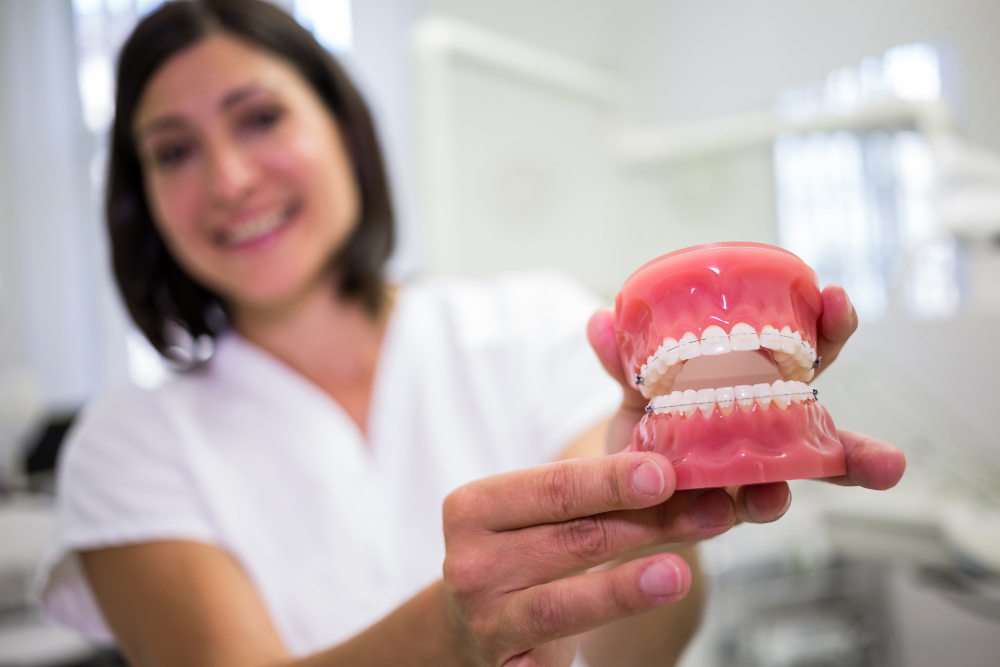
Introduction: What Are Complete Dentures?
Complete dentures are removable dental devices that replace all teeth in the upper or lower jaw. They help people who have lost all their natural teeth. Because missing teeth can affect eating, speaking, and appearance, complete dentures play a key role in daily life. In fact, they restore confidence and help maintain good health. Many people choose complete dentures to regain a natural-looking smile.
Symptoms and Signs Indicating the Need for Complete Dentures
Sometimes, it is hard to know when you might need complete dentures. However, certain signs can help you decide. For example, you may notice:
If you have several of these symptoms, it may be time to talk to your dentist. Early action can make the process smoother.
Causes of Tooth Loss Leading to Complete Dentures
Many factors can cause tooth loss. Most often, gum disease and tooth decay are the main reasons. Additionally, injuries or accidents may lead to losing teeth. Sometimes, health conditions like diabetes can increase the risk. Poor oral hygiene also plays a big part. Over time, these issues can result in the need for complete dentures.
Diagnosis and Assessment Process for Complete Dentures
First, your dentist will check your mouth and gums. They may take X-rays to see the bone and tissue. Next, they will ask about your health and dental history. After that, your dentist will decide if complete dentures are right for you. Sometimes, other treatments may be suggested first. However, if all teeth are missing or need removal, complete dentures are often the best choice.
Treatment Process: How Complete Dentures Are Made and Fitted
The process of getting complete dentures involves several steps. Here is what you can expect:
Even after fitting, you may need follow-up visits for small changes. This helps ensure your dentures feel natural and work well.
Benefits and Potential Challenges of Complete Dentures
Complete dentures offer many benefits. For example, they restore your smile and help you eat a wider range of foods. They also support facial muscles and improve speech. However, there can be challenges. At first, dentures may feel strange or loose. Some people notice sore spots or extra saliva. With time and practice, most people adjust well. If problems continue, your dentist can help with solutions.
Lifestyle Guidance: Care, Cleaning, and Daily Tips for Denture Wearers
Proper care keeps your complete dentures clean and comfortable. Here are some helpful tips:
With good care, dentures can last many years. However, always follow your dentist’s advice for best results.
Prevention: Oral Health Tips to Avoid Complete Tooth Loss
While complete dentures are helpful, it is best to keep your natural teeth as long as possible. To prevent tooth loss, try these tips:
By following these steps, you can lower your risk of needing complete dentures in the future.
Conclusion
Complete dentures can restore your smile and improve your quality of life. However, they require proper care and regular dental visits. If you think you may need complete dentures, consult a dental specialist for personalized advice on complete dentures.