
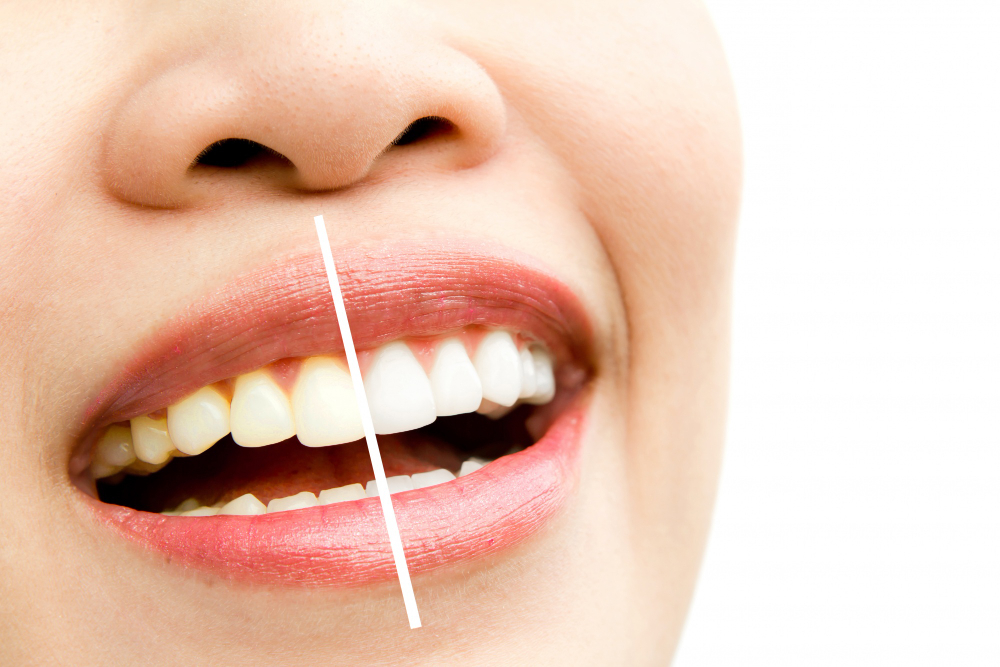
What is Teeth Bleaching?
Teeth bleaching is a popular way to make your teeth look whiter and brighter. Many people choose this treatment to improve their smile. In fact, teeth bleaching uses safe chemicals to remove stains from your teeth. You can find both professional teeth whitening and at-home options. While both can help, it is important to know how they work and what to expect.
Common Reasons for Teeth Bleaching
People seek teeth bleaching for many reasons. For example, some want to remove stains from coffee, tea, or red wine. Others want to feel more confident about their smile. Here are some common reasons:
How Teeth Bleaching Works
Teeth bleaching uses special gels or solutions. These contain safe chemicals like hydrogen peroxide or carbamide peroxide. When applied, these chemicals break down stains on the tooth surface. As a result, your teeth look whiter. Professional teeth whitening treatments often use stronger gels for faster results. At-home kits use milder solutions, so results may take longer.
Benefits of Teeth Bleaching
Many people enjoy several benefits from teeth bleaching. For instance, it can:
Additionally, professional teeth whitening is safe when done by a dentist. It can also be tailored to your needs.
Potential Risks and Side Effects
Although teeth bleaching is generally safe, there are some risks. For example, you may notice:
However, these side effects usually go away after a few days. If you have concerns, talk to your dentist before starting any treatment.
Professional vs. At-Home Teeth Bleaching
There are two main ways to whiten your teeth: professional and at-home methods. Each has its pros and cons.
Either way, it is important to follow safe teeth whitening methods. Always read instructions or ask your dentist for advice.
What to Expect During and After the Procedure
During professional teeth bleaching, your dentist will protect your gums. Then, they apply the bleaching gel to your teeth. The process usually takes about an hour. You may feel mild tingling or sensitivity. After the procedure, your teeth may look several shades whiter. At-home kits work in a similar way but may require several days or weeks for results. After bleaching, avoid foods and drinks that can stain your teeth for at least 24 hours.
Tips for Maintaining Results
To keep your teeth white after bleaching, try these tips:
With good habits, your results can last longer.
Prevention: How to Avoid Tooth Discoloration
Preventing stains is easier than removing them. For example, you can:
By following these steps, you can keep your smile bright and healthy.
Conclusion
Teeth bleaching can help you achieve a whiter, brighter smile. However, it is important to know the benefits and risks. Always choose safe teeth whitening methods and talk to a dental professional. If you are considering teeth bleaching, consult a dental professional to find out if it is right for you.