
What Are Dentures?
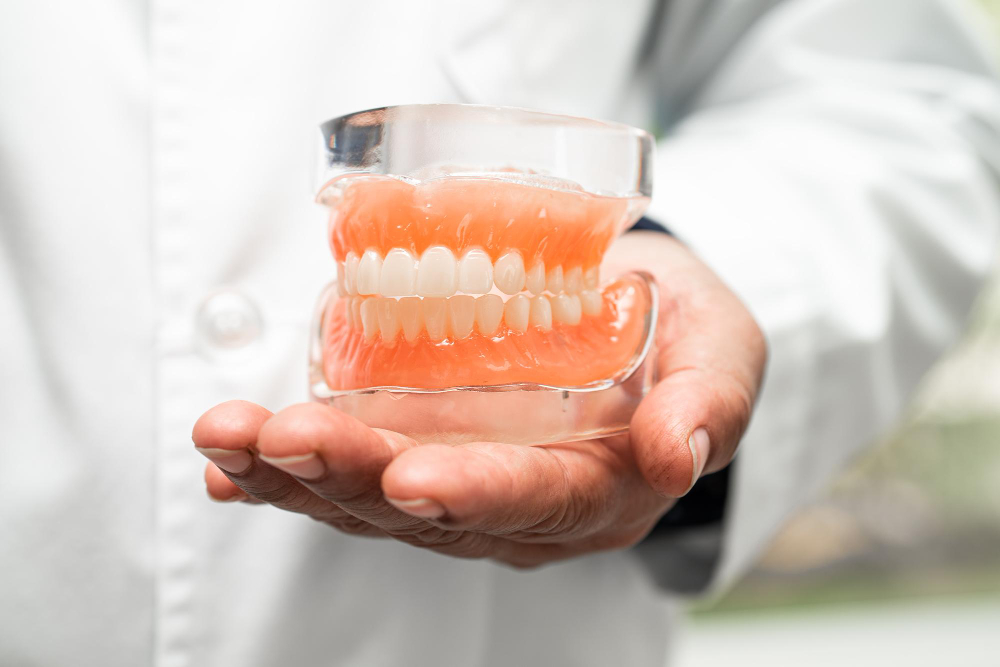
Dentures are removable devices that replace missing teeth. They help people eat, speak, and smile with confidence. Many adults, especially seniors, choose dentures to restore their oral health. According to the CDC, millions of people use dentures to improve their quality of life. In this blog, you will learn about the best dentures for seniors, how to care for dentures, and the many dentures benefits.
Types of Dentures
There are several types of dentures. Each type serves a different need. Understanding the options can help you choose the right one.
For example, full dentures are common for seniors who have lost most of their teeth. On the other hand, partial dentures work well if you still have some healthy teeth.
Who Needs Dentures?
Many people need dentures for different reasons. If you have lost several teeth due to decay, injury, or gum disease, dentures may help. Seniors often need dentures as teeth wear down with age. However, younger adults may also need them after accidents or dental problems. Your dentist can help decide if dentures are right for you.
Benefits of Dentures
Dentures offer many benefits. First, they restore your smile. This can boost your confidence. Second, dentures help you chew food better, which supports good nutrition. Third, they make it easier to speak clearly. In addition, dentures support your facial muscles, which helps you look younger. Many people find that the best dentures for seniors improve their quality of life.
How Dentures Are Fitted and What to Expect
The process of getting dentures involves several steps. First, your dentist will examine your mouth and take impressions. Next, a dental lab creates a custom set of dentures for you. Then, you will try on the dentures to check the fit. Adjustments are made to ensure comfort. Finally, your dentist will show you how to wear and care for your new dentures. It may take a few weeks to get used to them. However, most people adjust quickly with practice.
Daily Care and Maintenance Tips
Proper care keeps your dentures clean and your mouth healthy. Here are some tips on how to care for dentures:
With good care, dentures can last for many years.
Common Challenges and Solutions
Some people face challenges with new dentures. For example, you may feel discomfort or have trouble speaking at first. Eating certain foods can also be hard. However, these problems often improve over time. Here are some solutions:
Most issues can be fixed with simple adjustments or practice.
Prevention of Oral Health Issues with Dentures
Even with dentures, you need to protect your mouth. Clean your dentures and mouth every day to prevent infections. In addition, avoid using sharp objects to clean dentures, as this can cause damage. Regular dental visits help spot problems early. If you notice redness, swelling, or pain, contact your dentist right away. Good habits keep your mouth healthy and your dentures in top shape.
Conclusion
Dentures can restore your smile and improve your life. They come in different types to meet your needs. With proper care, dentures offer many benefits and last for years. If you think dentures might help you, consult a dental specialist to find out if dentures are right for you.