
Introduction
Braces are special dental devices used to straighten teeth and fix bite problems. Many people, both teens and adults, choose braces to improve their smiles. In fact, braces are a common part of orthodontic treatment. They help align teeth, making it easier to clean them and prevent dental issues. If you are thinking about braces, this guide will help you understand what to expect and how to care for them.
What Are Braces?
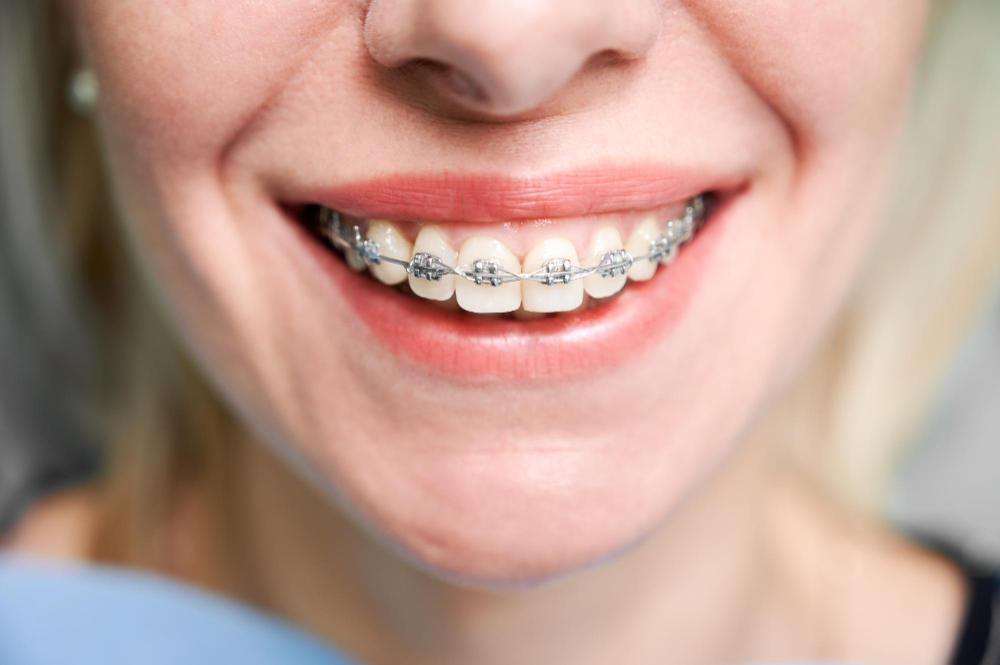
Braces are tools that dentists use to move teeth into better positions. Usually, braces include brackets, wires, and sometimes bands. These parts work together to gently shift teeth over time. As a result, braces can fix crowded, crooked, or spaced teeth. According to the American Dental Association (ADA), braces are safe and effective for many people.
Common Reasons for Getting Braces
People get braces for many reasons. Often, dentists recommend braces to solve problems such as:
Sometimes, braces are also used to help with speech or chewing problems. In addition, fixing these issues can boost confidence and make oral care easier.
Types of Braces
There are several types of braces available today. Each type has its own benefits. Your dentist or orthodontist will help you choose the best one for your needs. The most common types include:
For adults and teens, clear aligners are a popular choice. However, metal braces are still the most common for children.
How Braces Work
Braces use gentle, steady pressure to move teeth. Over time, this pressure shifts teeth into better positions. First, brackets are attached to each tooth. Next, a wire connects the brackets. As the wire is tightened, it pulls the teeth slowly. Because teeth move slowly, treatment can take months or even years. Regular visits to the orthodontist help track progress and make adjustments.
The Braces Procedure: Step-by-Step
Getting braces is a simple process. Here is what you can expect:
Each step is important for a healthy, lasting result.
Care and Maintenance of Braces
Proper care is key to getting the best results from braces. While wearing braces, you should:
With good care, you can prevent cavities and keep your braces working well.
Benefits and Potential Risks
Braces offer many benefits. For example, they can:
However, there are some risks. Sometimes, braces can cause:
Most side effects are mild and go away with time. The World Health Organization (WHO) and ADA agree that braces are safe when managed by a trained professional.
Tips for Living with Braces
Living with braces takes some getting used to. But, with a few tips, you can make the process easier:
With these habits, you can stay comfortable and keep your braces in good shape.
Prevention and Oral Health Guidance
Good oral health is important before, during, and after braces. To keep your teeth healthy:
By following these steps, you can prevent cavities and keep your smile bright. Early dental visits and regular checkups help spot problems before they get worse.
Conclusion
Braces are a proven way to improve your smile and oral health. Whether you are a teen or an adult, orthodontic treatment can make a big difference. For the best results, follow your dentist’s advice and care for your braces every day. If you are thinking about braces, consult a qualified dentist or orthodontist for personalized advice about braces.