
What Are Braces?
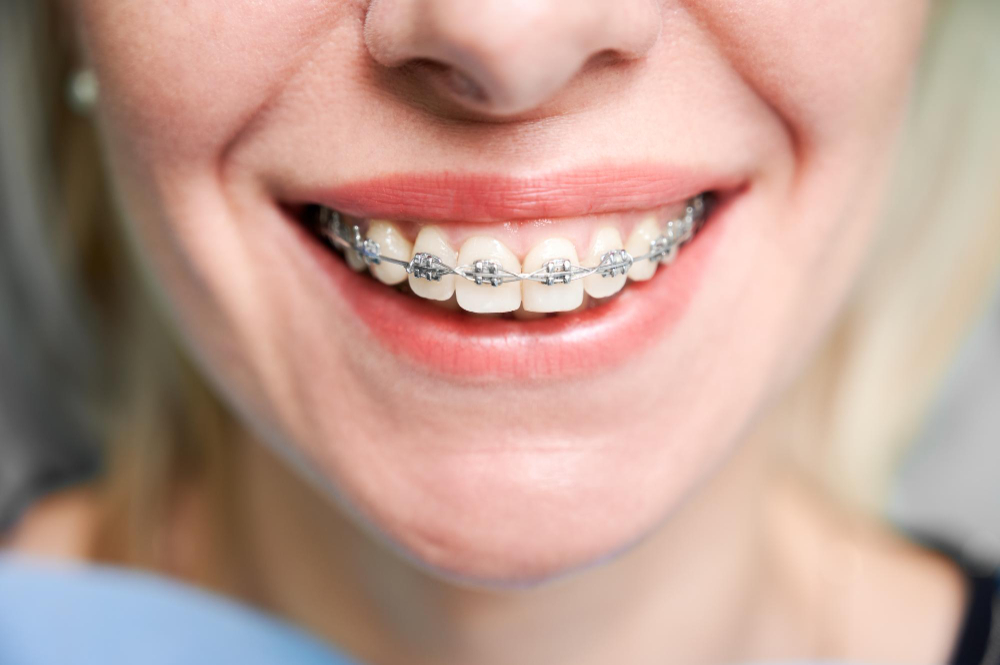
Braces are special devices that help straighten teeth and fix bite problems. Many people, both kids and adults, use braces to improve their smiles. In fact, orthodontic treatment with braces is common and safe. Braces use gentle pressure to move teeth into better positions over time. According to the American Association of Orthodontists, millions of people wear braces each year.
Common Reasons for Getting Braces
People get braces for many reasons. Sometimes, teeth are crowded or crooked. Other times, the upper and lower teeth do not fit together well. For example, you might have an overbite, underbite, or gaps between teeth. In addition, braces can help with jaw pain or trouble chewing. Fixing these issues can make it easier to clean your teeth and keep your mouth healthy.
Types of Braces
There are several types of dental braces to choose from. Each type works in a similar way but looks and feels different. Your orthodontist will help you pick the best option for your needs.
How Braces Work
Braces use gentle, steady pressure to move teeth. Over time, this pressure shifts teeth into better positions. Wires and brackets guide the teeth, while rubber bands may help with bite problems. As a result, your teeth slowly move into a straight line. Your orthodontist will adjust your braces every few weeks to keep the process going.
The Braces Procedure: What to Expect
Getting braces is a step-by-step process. First, your orthodontist will check your teeth and take X-rays. Next, they will make a plan for your treatment. Then, they will clean your teeth and attach the brackets with a safe glue. After that, they will connect the brackets with wires. The whole process usually takes one to two hours. You may feel some pressure or soreness for a few days, but this is normal.
Caring for Your Braces
Proper care is important for healthy teeth and gums during orthodontic treatment. Braces care tips can help you avoid problems like cavities or gum disease. For example, you should brush your teeth after every meal. In addition, use a special brush or floss threader to clean around the wires and brackets. Avoid sticky or hard foods that can damage your braces.
Benefits and Risks of Braces
Braces offer many benefits. They can give you a straighter smile and improve your bite. This makes it easier to clean your teeth and lowers your risk of tooth decay. Also, braces can help with speech and chewing problems. However, there are some risks. For instance, you may have mild pain, mouth sores, or trouble eating certain foods. In rare cases, teeth roots may shorten or gums may get irritated. Still, most people have a safe and successful experience.
Tips for Living with Braces
Living with braces takes some getting used to. But, with a few simple tips, you can make the process easier. For example, eat soft foods if your mouth feels sore. Use orthodontic wax to cover any sharp edges. Always wear a mouthguard when playing sports. If a wire or bracket breaks, call your orthodontist right away.
Prevention and Oral Hygiene
Good oral hygiene is key during orthodontic treatment. Brush and floss every day to keep your teeth and gums healthy. Use fluoride toothpaste to help prevent cavities. In addition, rinse with mouthwash if your orthodontist suggests it. Regular dental check-ups are important, even while wearing braces. This way, you can catch any problems early and keep your smile bright.
For more information, visit trusted sources like the American Association of Orthodontists or the CDC. Consult a qualified orthodontist for personalized advice on braces.