
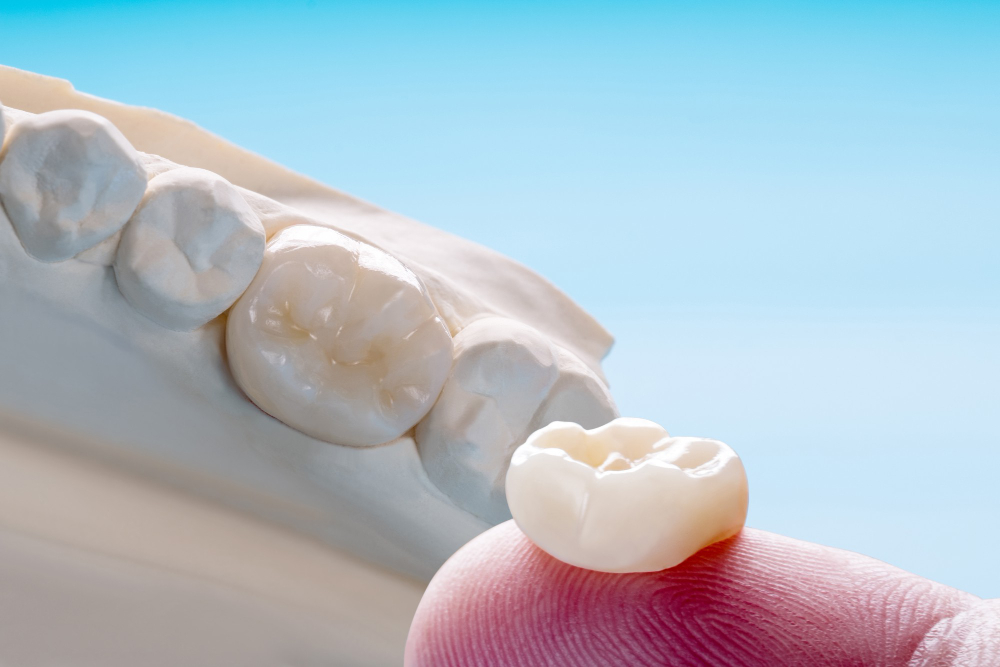
What Are Dental Crowns?
Dental crowns are tooth-shaped caps placed over damaged or weak teeth. They help restore the tooth’s shape, size, and strength. Often, dentists use dental crowns to improve the look of a tooth as well. In many cases, dental crowns are a common solution for saving teeth that might otherwise need removal.
Common Reasons for Needing Dental Crowns
There are several reasons why someone might need a dental crown. For example, you may need one if you have:
Because dental crowns can protect and strengthen teeth, they are often recommended by dentists for long-term oral health.
Types of Dental Crowns
There are different types of dental crowns, each made from various materials. Each type has its own pros and cons. Here are the most common options:
Because each type has unique features, your dentist will help you choose the best one for your needs.
The Dental Crown Procedure: Step-by-Step
Getting a dental crown usually takes two visits. Here is what you can expect:
Sometimes, new technology allows dentists to make and place crowns in one visit. However, this depends on the dental office and your specific needs.
Benefits of Dental Crowns
Dental crowns offer many benefits. For instance, they:
Because crowns are custom-made, they fit well and feel comfortable in your mouth.
Potential Risks and Complications
While dental crowns are safe, there are some risks. For example, you may experience:
If you notice any problems, contact your dentist right away. Early care can prevent further issues.
Aftercare Tips and Maintenance
Proper care helps your dental crown last longer. Here are some helpful tips:
Because good oral hygiene is key, follow your dentist’s advice for the best results.
Frequently Asked Questions About Dental Crowns
How long do dental crowns last?
Most dental crowns last between 5 and 15 years. However, with good care, some can last even longer.
Are dental crowns painful?
The procedure is usually not painful. Dentists use numbing medicine to keep you comfortable. After the procedure, you may feel mild soreness, but it goes away quickly.
Can I eat normally with a dental crown?
Yes, you can eat most foods. However, avoid very hard or sticky foods to protect your crown.
How do I find dental crowns near me?
To find dental crowns near you, search online or ask your dentist for recommendations. Many dental clinics offer this service.
Conclusion
Dental crowns are a safe and effective way to restore damaged teeth. They offer many benefits and can last for years with proper care. If you think you may need a dental crown, consult your dentist to find out if dental crowns are right for you.