
What Is Teeth Cleaning?
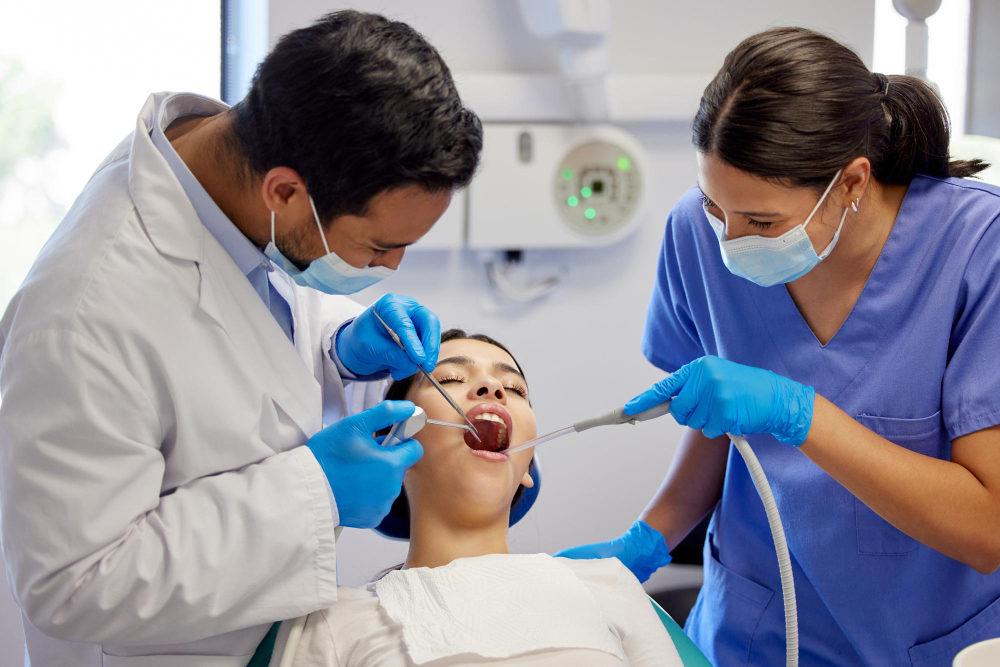
Teeth cleaning is a simple way to keep your mouth healthy. It removes plaque and tartar from your teeth. Plaque is a sticky film of bacteria. If not cleaned, it can cause tooth decay and gum disease. Professional dental cleaning is done by a dentist or dental hygienist. At home, brushing and flossing help keep your teeth clean. However, only a dental professional can remove hard tartar. Because of this, regular teeth cleaning is important for everyone.
Top Benefits of Teeth Cleaning
Regular teeth cleaning offers many advantages. Not only does it keep your smile bright, but it also protects your health. Here are some top benefits:
According to the American Dental Association (ADA), regular cleanings are key for long-term oral health.
How Often Should You Get Your Teeth Cleaned?
Most people should get their teeth cleaned every six months. However, some may need more frequent visits. For example, people with gum disease or other dental issues may need cleanings every three to four months. Your dentist will suggest the best schedule for you. Regular visits help keep your mouth healthy and catch problems early. Because everyone is different, always follow your dentist’s advice.
What to Expect During a Professional Teeth Cleaning
Many people feel nervous about dental visits. However, teeth cleaning is simple and gentle. Here is what usually happens:
After the cleaning, your mouth will feel fresh and clean. If you have questions, your dental team will be happy to help.
Tips for Maintaining Clean Teeth at Home
While professional cleanings are important, daily care at home is key. Here are some dental hygiene tips:
Because good habits start at home, these steps help keep your teeth healthy between dental visits.
Prevention: How Teeth Cleaning Supports Long-Term Oral Health
Regular teeth cleaning does more than just brighten your smile. It helps prevent serious problems like gum disease and tooth loss. According to the Centers for Disease Control and Prevention (CDC), gum disease is a leading cause of tooth loss in adults. However, with regular cleanings and good home care, you can lower your risk. Clean teeth also support your overall health. For example, studies show a link between oral health and heart health. Because of this, keeping your teeth clean is important for your whole body.
In summary, the benefits of teeth cleaning go beyond a pretty smile. Regular dental hygiene protects your teeth, gums, and overall health. Consult your dentist regularly for personalized advice on teeth cleaning and oral health.