
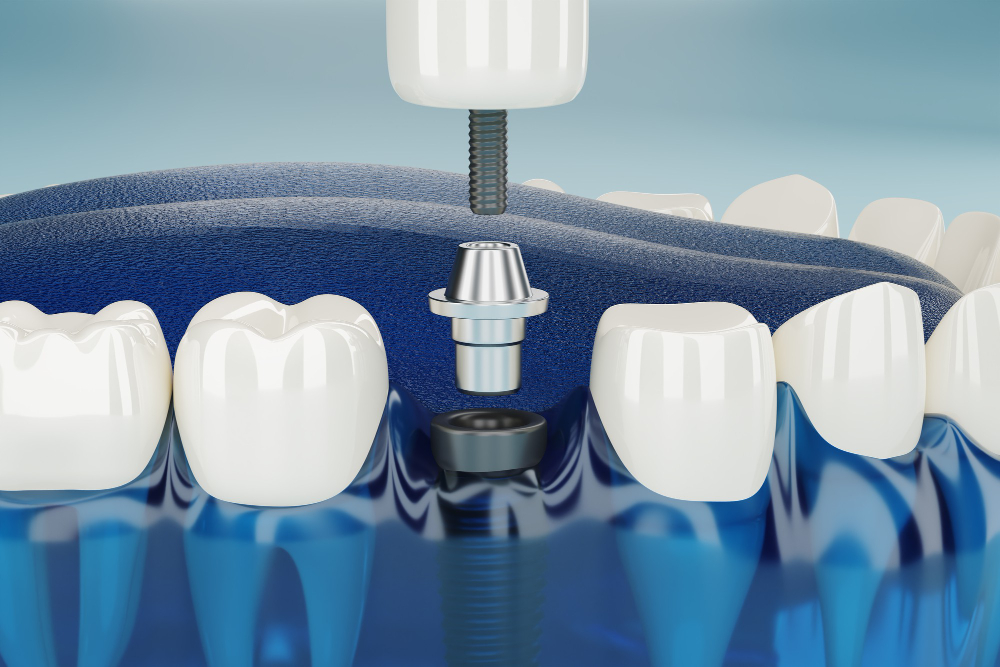
What Are Dental Implants?
Dental implants are strong, artificial tooth roots. Dentists use them to replace missing teeth. Usually, they are made from titanium. Because they fuse with your jawbone, they provide a stable base for new teeth. Many people choose dental implants as a long-lasting tooth replacement option. In fact, dental implants can help restore your smile and improve chewing. Unlike dentures, implants stay fixed in your mouth. For this reason, they feel and look like natural teeth.
Benefits of Dental Implants
Dental implants offer many advantages over other tooth replacement options. For example, they can:
Additionally, dental implants do not need to be removed for cleaning. Instead, you brush and floss them like your natural teeth. Most people find them comfortable and easy to maintain.
The Dental Implant Procedure
The dental implant procedure usually takes several steps. Each step is important for a safe and lasting result. Here is a simple overview:
Throughout the process, your dentist will guide you and answer your questions. Although the steps may seem long, most people find the wait worthwhile.
Risks and Potential Complications
Dental implants are safe for most people. However, like any surgery, there are some risks. For instance, you may experience:
Most problems are minor and can be treated quickly. Still, it is important to follow your dentist’s advice. According to the American Dental Association, dental implants have a success rate of over 95% (ADA). If you have health issues like diabetes or smoke, your risk may be higher. Always share your full medical history with your dentist.
Aftercare and Recovery Tips
Proper aftercare helps your dental implants last longer. Here are some tips to follow:
Furthermore, if you notice pain, swelling, or bleeding, contact your dentist right away. Good oral hygiene keeps your implants and gums healthy.
Frequently Asked Questions About Dental Implants
In summary, dental implants are a strong and natural-looking way to replace missing teeth. They offer many benefits and can last a long time with proper care. If you are considering tooth replacement options, consult a qualified dentist to find out if dental implants are right for you.