
Introduction
Dental implants are a popular way to replace missing teeth. They look and feel like natural teeth. Many people choose dental implants because they are strong and long-lasting. If you are thinking about dental implants, this guide will help you understand what they are, their benefits, the implant procedure, and how to care for them. You will also learn about safety, risks, and tips for long-term success.
What Are Dental Implants?
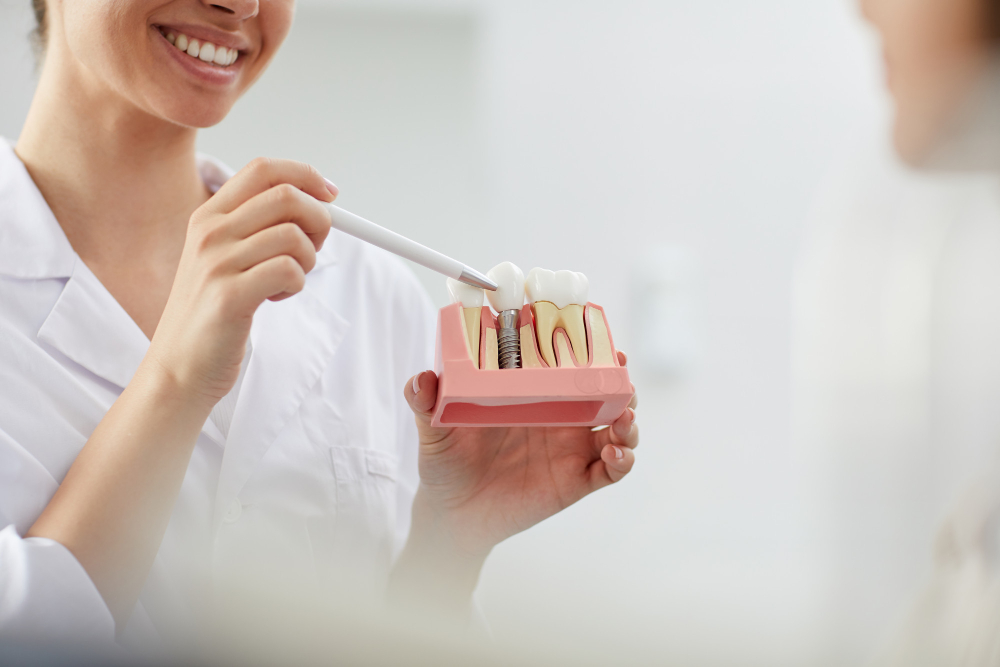
Dental implants are small metal posts placed in your jawbone. Usually, they are made of titanium. These posts act like roots for artificial teeth. After the implant is placed, a dentist attaches a crown, which looks like a real tooth. Because the implant joins with your bone, it stays in place firmly. In most cases, people cannot tell the difference between implants and natural teeth.
Benefits of Dental Implants
Dental implants offer many advantages over other tooth replacement options. For example, they:
Because of these benefits, many people prefer dental implants for a lasting solution.
Who Is a Candidate?
Not everyone can get dental implants. However, most healthy adults are good candidates. You may be a good fit if you:
On the other hand, some health conditions may affect healing. Therefore, your dentist will check your health and jawbone before starting the implant procedure.
The Dental Implant Procedure
The dental implant procedure usually takes several steps. Here is a simple overview:
Because each person is different, your dentist will explain your treatment plan in detail.
Aftercare and Recovery
Proper aftercare is important for healing and long-term success. For example, you should:
Because healing takes time, you may feel some swelling or discomfort. However, most people return to normal activities within a few days.
Risks and Possible Complications
Dental implants are safe for most people. Still, like any procedure, there are some risks. These may include:
Although problems are rare, it is important to follow your dentist’s advice. The American Dental Association and the CDC both note that dental implants have a high success rate.
Prevention and Long-Term Success
To keep your dental implants healthy for years, you should:
Because good habits help prevent problems, your implants can last a lifetime with proper care.
Conclusion and Call-to-Action
Dental implants are a safe and effective way to replace missing teeth. They offer many benefits, including a natural look and long-lasting results. However, every person is different. Therefore, it is important to talk to a dental specialist about your options. If you are considering dental implants, consult your dentist for personalized advice and care.