
Introduction
Teeth whitening is a popular way to brighten your smile. Many people want whiter teeth for a confident look. Because of this, teeth whitening has become common in dental care. There are many safe teeth whitening methods available today. Some people choose professional teeth whitening, while others try at-home kits. In this blog, you will learn about the benefits, methods, safety, and aftercare for teeth whitening. You will also find answers to common questions about teeth whitening.
What is Teeth Whitening?
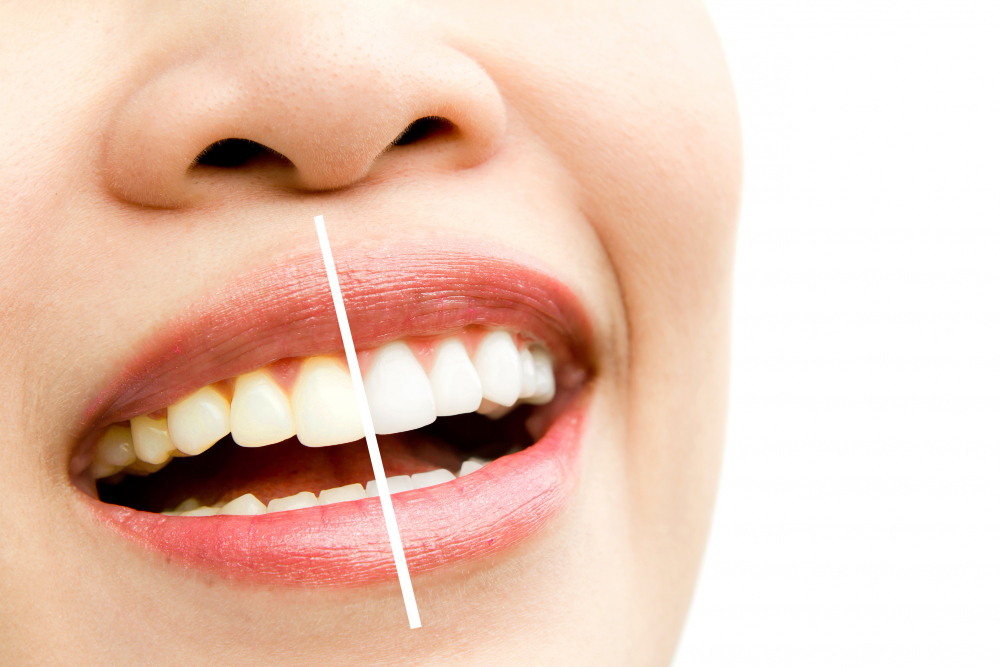
Teeth whitening is a process that lightens the color of your teeth. It removes stains and discoloration. As a result, your teeth look brighter and cleaner. Most whitening products use safe chemicals like hydrogen peroxide or carbamide peroxide. These chemicals break down stains on the surface of your teeth. However, teeth whitening does not work on all types of stains. For example, it may not help with stains inside the tooth or on dental crowns.
Benefits of Teeth Whitening
Many people choose teeth whitening for several reasons. Here are some key benefits:
Because of these benefits, teeth whitening is one of the most requested dental treatments.
Common Teeth Whitening Methods
There are several ways to whiten your teeth. Each method has its pros and cons. Let’s look at the most common options:
1. In-Office Professional Teeth Whitening
Many people choose to visit a dentist for whitening. In-office treatments use stronger whitening agents. As a result, you can see quick and noticeable results. The dentist protects your gums and applies the whitening gel. Sometimes, a special light is used to speed up the process. According to the American Dental Association (ADA), this method is safe and effective when done by a professional.
2. At-Home Whitening Kits from Dentists
Some dentists offer custom-made trays and gels for home use. You wear the trays for a set time each day. This method takes longer than in-office treatments but can be very effective. Because the trays fit your teeth, the gel spreads evenly. Your dentist will guide you on how to use the kit safely.
3. Over-the-Counter Whitening Products
You can buy whitening strips, gels, or toothpaste at most stores. These products are easy to use at home. However, they have lower levels of whitening agents. So, results may take longer and may not be as strong. Always follow the instructions to avoid side effects.
Safety and Side Effects
Teeth whitening is safe for most people when done correctly. However, some side effects can occur. The most common ones include:
Usually, these side effects are mild and go away on their own. If you have concerns, talk to your dentist. The ADA recommends using only products that have their Seal of Acceptance. This ensures the product is safe and works as promised.
Aftercare Tips for Lasting Results
After whitening your teeth, you want the results to last. Here are some tips to help keep your smile bright:
By following these aftercare tips, you can enjoy your whiter smile for a longer time.
Who Should Avoid Teeth Whitening?
While teeth whitening is safe for many, some people should avoid it. For example, you should not whiten your teeth if:
If you are unsure, ask your dentist before starting any whitening treatment.
Frequently Asked Questions
For more information, visit the American Dental Association website or talk to your dentist.
Consult your dentist to find the safest and most effective teeth whitening option for you.