
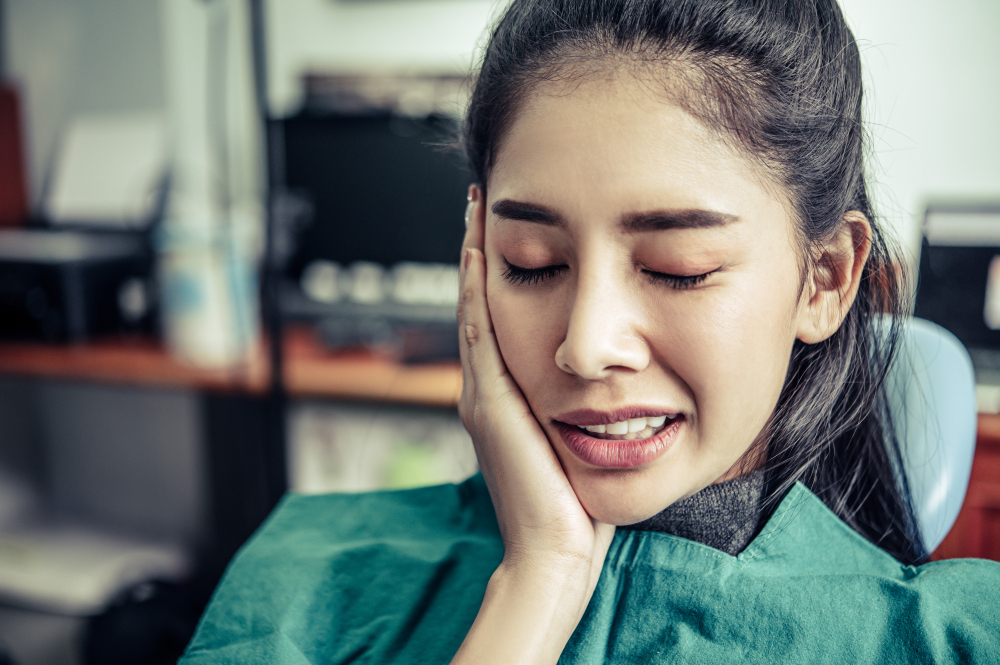
What is TMJ Pain?
TMJ pain affects the temporomandibular joint, which connects your jaw to your skull. This joint helps you chew, talk, and yawn. When it hurts, daily life can become difficult. TMJ pain, also called TMJ disorder, can cause discomfort in your jaw, face, or neck. Many people look for jaw pain relief because this problem is common. According to the National Institute of Dental and Craniofacial Research, over 10 million Americans may have TMJ disorders. If you notice pain in your jaw, you might be experiencing TMJ pain.
Common Symptoms of TMJ Pain
TMJ pain can show up in many ways. For example, you might feel pain or tenderness in your jaw. Other symptoms can include:
Sometimes, these symptoms come and go. However, if they last, you should seek help.
Causes of TMJ Pain
There are several reasons why TMJ pain can develop. Often, the exact cause is not clear. Still, some common causes include:
In some cases, habits like chewing gum or biting your nails can make TMJ pain worse. Therefore, knowing the cause can help with treatment.
How TMJ Pain is Diagnosed
To diagnose TMJ pain, a dentist or specialist will start with a physical exam. They will check your jaw, listen for sounds, and ask about your symptoms. Sometimes, they may order X-rays or other scans to see the joint and nearby tissues. In addition, your dentist might ask about your medical history. This helps rule out other causes of jaw pain. Early diagnosis can lead to better TMJ disorder treatment.
Treatment Options for TMJ Pain
There are many ways to treat TMJ pain. Your dentist for TMJ pain may suggest one or more of the following:
Because each person is different, your dentist will choose the best TMJ disorder treatment for you.
Lifestyle Tips and Prevention
There are simple steps you can take to prevent or ease TMJ pain. For instance, you can:
With these habits, you may lower your risk of TMJ pain or make symptoms less severe.
When to See a Dentist or Specialist
If your TMJ pain does not go away, it is important to seek help. You should see a dentist or specialist if you have:
Early treatment can prevent the problem from getting worse. Therefore, do not wait if you need TMJ pain treatment near you.
If you experience TMJ pain, consult a dentist or specialist for personalized advice.