
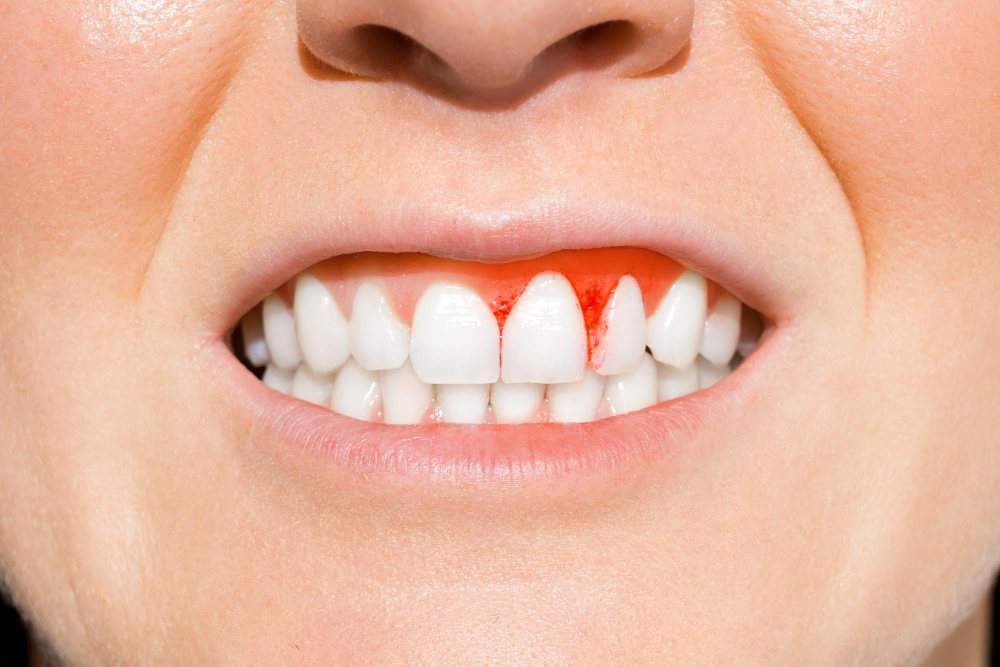
Introduction to Gum Disease
Gum disease is a common problem that affects the tissues around your teeth. It can cause pain, swelling, and even tooth loss if not treated. Because healthy gums are important for your overall health, it is vital to know the signs and ways to prevent gum disease. Early care can help you keep your smile healthy for life.
Symptoms of Gum Disease
Often, gum disease starts with mild symptoms. However, these signs can get worse over time. Watch for these common gum disease symptoms:
If you notice any of these symptoms, it is important to act quickly. Early treatment can stop gum disease from getting worse.
Causes and Risk Factors
Gum disease is mainly caused by plaque. Plaque is a sticky film of bacteria that builds up on your teeth. If not removed, it can harden into tartar, which makes gum disease worse. Besides plaque, several risk factors can increase your chance of getting gum disease:
Because some risk factors can be controlled, making healthy choices can help lower your risk.
Diagnosis Methods
To diagnose gum disease, a dentist will check your gums and teeth. First, the dentist will look for signs like swelling, redness, or bleeding. Next, they may use a small tool to measure the space between your teeth and gums. This helps find out how much your gums have pulled away. Sometimes, dental X-rays are needed to see if there is bone loss. Early diagnosis is key, so regular dental check-ups are important.
Treatment Options for Gum Disease
Treatment for gum disease depends on how severe it is. For mild cases, better brushing and flossing may be enough. However, more advanced gum disease may need special care. Common gum disease treatments include:
After treatment, regular dental visits help keep your gums healthy. Your dentist will guide you on the best care for your needs.
Prevention Tips and Lifestyle Guidance
Preventing gum disease is possible with good daily habits. Here are some simple tips on how to prevent gum disease:
Because prevention is easier than treatment, these steps can help you avoid gum disease and keep your mouth healthy.
When to See a Dentist
If you notice signs of gum disease, do not wait. Early care can stop the problem from getting worse. See a dentist if you have:
Even if you do not have symptoms, regular dental visits are important. Your dentist can spot early signs and help you keep your gums healthy.
Conclusion
Gum disease is common, but it can be managed and prevented. By knowing the symptoms, causes, and treatments, you can take steps to protect your gums. For the best advice on gum disease, consult a dentist. They can help you keep your smile healthy and bright.